Tuesday, June 2, 2015

A Final Blog Post Of My Best to Worst

7. The Art of Racing in the Rain 
6. Orphan Train 
5. The Road 
4. The Hunger Games 
3. Gone Girl 
2. The Perks of Being a Wallflower
1. The Goon Squad 


An Instantaneous Youth With Instantaneously Horrible Television

In a society where everything is instant, rushed, fast-paced, and never-ceasing, much of the meaning often found in life experiences is lost. The same can be said for contemporary television. Nowadays, producers are so much more obsessed with cranking out new episodes, or yet another unnecessary season in order to make money, that good plot lines become the sacrifice. After the first few seasons (if it survives that long) the storyline of a show quickly becomes tired, overdone, drawn out, or just ridiculous. But because money is the driving component behind the vast majority of contemporary television, the cameras keep on rolling, filming whatever idea the screenwriter can whip up in the allotted time to ensure a continuous cash influx. This is the case with so many popular television shows of today geared for teens, and is also why young adult television shows tend to not last for long (or for far too long). Take Pretty Little Liars, or The Vampire Diaries for example. Both of these shows, though immensely popular, probably should have ended several seasons ago, and have lost viewers because off their producers'  incessant need to draw out a nonexistent plot. In an attempt to hold the captivation of the viewers, instead of taking longer amounts of time and producing fewer episodes and seasons to ensure that each one is the best it can possibly be, directors hastily fling together a series of cliche plot twists dotted with unnecessary drama. This technique is particularly utilized by the producers of Pretty Little Liars, who ensure that each time the characters, and viewers, take one step closer to finding out who "A" is, or feeling some kind of peace and closure in their lives, the characters take three step backwards, trying to make room for yet another transformative discovery.  The demand of today's youth to have instantaneous access to what comes next, has lowered the bar for what "good television" signifies. If the high-speed world took a moment to pause, to slow down, to stop wanting everything in excesses, maybe teen television would play a more meaningful and inspirational role in the lives of today's youth, rather than just another blank abyss for teens to immerse themselves in.

Thursday, May 28, 2015

The O.C. O.D.ing With Teen Drinking?

When watching The O.C., you are, at almost any point in time, guaranteed to see alcohol or hear implications of it, particularly in association with the teens. While I don't believe that the show necessarily glamorizes teen drinking as opposed to simply presenting it as a normal part of high school life, it did act as a catalyst for a whole generation of glorified teen drinking, all the way up to shows such as Gossip Girl. Though I agree with the article's view that it inspired a slue of wildly popular television shows jam-packed with the glamorization of teen drinking, I disagree with the article lessening the impact on viewers in regards to seeing teens drink with the fact that the adult characters were actually seen to be drinking more than the teens. Though the character of Kirsten Cohen, mother of one of the teens, is actually the character who engages in the most drinking, these scenes due not affect teen viewers as much as the less frequent ones of the actual teen characters consuming alcohol. This is because the majority of viewers will compare, if not associate, themselves with the teen characters, so even though their drinking is not as recurrent as with the adults, it definitely resonates more when Seth, Ryan, or Marissa picks up a bottle. 

No doubt should be placed on the extent to which television can impact the youth culture. Television wields tremendous psychological effects on the young viewers because teens are at an age where they are seeking role models, while simultaneously trying to figure out who they are as a person. This means they can very easily be molded and will follow by example, and since most teen agers exist within kind of their own social bubble, there is not a vast range of influence they can pursue, and seeing as television today occupies a major portion of time in the average teen's life, often times their sources of inspiration stem from there. Watching shows such as The O.C. can absolutely have huge effects on how a teen decides to life his or her life, or the kind of person they decide to emulate, and eventually become. 

Saturday, May 9, 2015

The Hunger Games: Hungry For More

I am here simply to conTRIBUTE a list of 6 reasons why The Hunger Games movie is On Fire: 

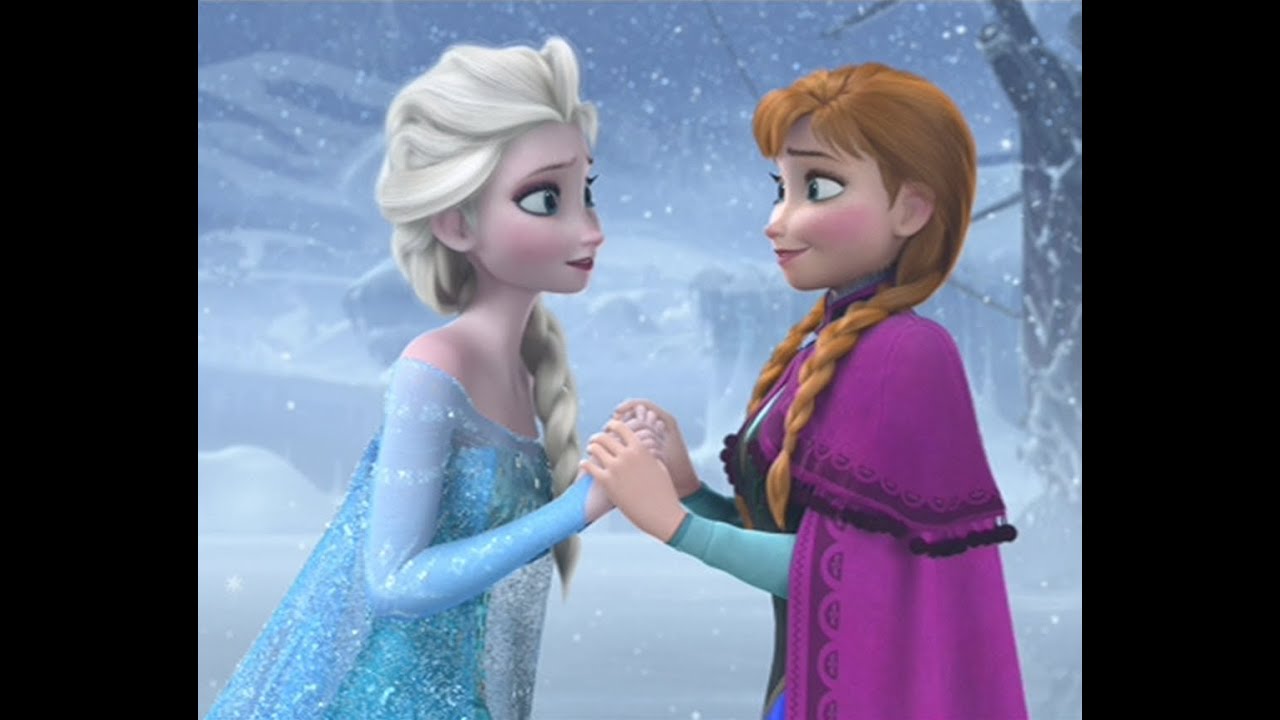
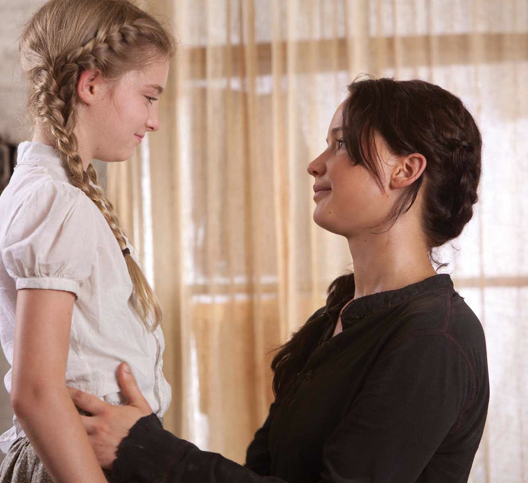
1. Physically seeing the love between sisters Katniss and Prim is so moving, it might even top the epic Anna and Elsa. 


2. The incredible special effects make Katniss's fiery outfits look even more awesome than they did in my mind, which is really saying something. 


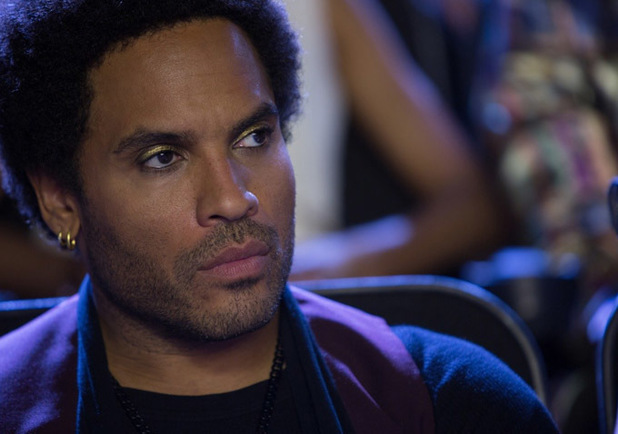
3. There is much more of him. 


4. The Capitol and its inhabitants are visually portrayed perfectly. 


5. It is so incredibly realistic  it's almost scary. (Okay not almost, it is scary)


6. The movie helps the audience to fall even more in love with certain characters, despite the horrific circumstances. 


Tuesday, April 28, 2015

The Hero's Journey: Katniss Everdeen

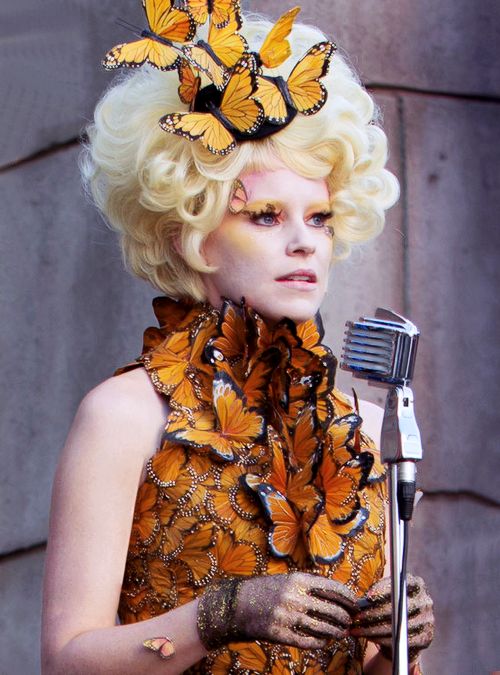
The character of Katniss Everdeen in The Hunger Games by Suzanne Collins is often thought of by today's youth as one of the most innovative, unique, and simultaneously relatable characters. However, she, like the heroes and heroines that have come before her, is based on a tried-and-true formula equating to the perfect Hero's Journey. It all begins with Katniss living her normal, everyday life, when she then receives her call to action, when the tides of the story make their first turn. This is when Primrose Everdeen, Katniss's sister, is selected as the tribute for the Hunger Games. Katniss volunteers in her place, setting in stone the journey to come. She departs from her ordinary world to the new and unpredictable one of the Capitol. Like any good hero, Katniss finds help throughout the story, in characters such as Haymitch, Cinna, and even Effie. She faces several trials and tribulations in her relationship with Peeta, and later on in the games with figuring out how to survive. She has her first successes when she outsmarts the Careers, one time dropping a tracker jacker nest on them, and the other time blowing up their supplies. Katniss faces many near-death experiences throughout the games, ultimately culminating into the final battle with Cato. Her ultimate success comes with his defeat, and with she and Peeta being crowned victors of the Games. They bring the Hero's Journey by returning home to their very ordinary life, only as very different people who can now live under very different circumstances, but slight alterations indicate the major struggles to come.

Tuesday, April 21, 2015

Starving for Another Taste of "The Hunger Games"

        Reading The Hunger Games for a second time around has been quite a different experience from what I expected it to be. In all honesty, I regarded the rereading as mildly interesting, an easy and mindless read, and not much else. However, Suzanne Collins has managed to recapture my interest even more strikingly than the first time I read it as a mere seventh grader. The story now holds so much more depth and meaning now that I myself am a sixteen year old girl, not all that much different from Katniss Everdeen in that I am simply trying to stay true to myself and my beliefs, while also trying to survive and prosper under the weight of an all-too-common societal oppression. Where Katniss is rough around the edges, and uses her harsh personality to mask any vulnerabilities, I, much like many other teenage girls, hide my true self under layers of makeup, attitudes of not caring, and an abundance of teen angst. The parallels between Katniss and many of adolescent female America are remarkable, making her even more of an inspiration idol, especially the second time around.

Friday, March 13, 2015

The Road to A Great Movie

The movie The Road, based on the book by 
Cormac McCarthy, was shocking even though
I knew what would happen next, and disturbing 
even after having read each event in vivid detail.
This is because the filmmaking was executed
perfectly. Dark, gloomy, and filled with ash (as 
much as the beginning of the book emphasized), 
the hopeless wreckage of the man and the boy's
lives were perfectly depicted. The casting was
phenomenally done as well. Viggo Mortensen
and Kodi Smitt-McPhee captured the desperation
and fear of McCarthy's post-apocolyptic world. I could see 
the hunger in their eyes, feel the dust of burnt out dreams on their 
fingertips, hear the sound of their hollow emotions with every footstep. 
The Road established this beautifully tragic sense of disaster; tragic in the raw and 
brutal world of ruins that lay around them, but beautiful in the improbable hope 
and light found in the character of the boy. Yes, McCarthy was the creator 
of this character, but it was the creators of the film that truly brought 
the boy to life, as well as McPhee himself, who was able to endow
in the boy the kind of crushing fear and sense of lost that makes
the audience almost taste it. The underlying current beneath 
the fear, however, is a glimmer in the boy's eyes, some 
telling way that he speaks, moves, and reacts that 
somehow communicates that he will survive. It is as
if he and the man are sacred, like they are carrying the 
fire but it is more than a torch, it is an eternal flame. There 
is only so much that can be communicated in unspoken words 
and unused punctuation in McCarthy's writing. The movie, however, speaks volumes for the little humanity that remains in the world of the man and the boy. This sense of goodness, contrasted with the horrifyingly vivid images of burned corpses, or, even worse, the half eaten
And very much alive people found in the basement of a cellar. This imagery, 
unable to be truly captured in the pages of the book, make the movie so 
much more real. From the eerie quiet, to the uncensored filth of the 
human body, the filmography of The Road  makes it one of the
most frightfully honest  and  accurately depicted movies, 
both as a book adaption, as well as on it's own,

of today's dystopian-obsessed youth era.


PS. The Road reminds me of the lyrics to that Justin Timberlake song...
"I turn my head to the East,
I don't see nobody by my side,
I turn my head to the West,
Still nobody in sight
So I turn my head to the North 
Swallow that pill that they call pride
That old me is  dead and gone 
But that new me will be alright
Oh, Ive been travelin' on this road too long
Just tryna find my way back home 
The old me is dead and gone 
Dead and gone" 

Tuesday, February 24, 2015

Preppy to Prepper

According to National Geographic Channels quiz, "How Prepped Are You?" the answer in my situation is not at all. This quiz is based off the popular reality show "Doomsday Preppers", which centers on different people across the U.S. who all share in an obsession of being prepared for when the apocalypse arrives. I scored a mere 11 on the quiz, estimating my survival time to be about 1-2 weeks, and meanwhile the top scorer featured on the show received a 95 with an estimated survival time of 24 months. This quiz brought to light many factors of survival that never even crossed my mind, such as what kind of items I have available to barter, but also made me realize how paranoid some people are to actually obtain some of the items mentioned in the quiz, such as stocked bunkers, or getaway cars. Most importantly, I have learned that being a prepare is not for me, and I would prefer to live out the remainder of my days in the case of an apocalypse by mooching off the supplies of others.

Thursday, February 12, 2015

"The 100" Reasons Why Post-Apocolyptic Television is Awesome

So the title may have been a bit of an over exaggeration. Though I can't list 100 reasons, I can list a solid three:

1. As interesting as the end of the world is, seeing how people rebuild society in the aftermath is even more interesting.

2. Even creepier than bad things happening is what the silent world looks like after it has already happened, and seeing the product of disaster.

3. It encompasses both hope and inspiration, as well as eeriness and suspense, the former of which is not usually found in other forms of dystopia.

After watching just the first episode of "The 100" I can already tell it contains all of my favorite elements of post-apolocolyptic TV. The show opens with the brief explanation that a nuclear war destroyed Earth' s surface and made the air toxic with radiation, supposedly killing all life forms. There used to be twelve nations with spaceships full of survivors, but now only one, a presumably American ship called "The Ark" remains. The journey that ensues begins by following 100 juveniles who are sent back to the Earth 97 years after the destruction, to see if the Earth is livable. The story centers around a 17-year-old girl sent to the "Ground" named Clarke, who's mother is a prominent doctor and engineer in space. She and four others embark on a quest to reach Mount Weather, a place believed to contain food and supplies. "The 100" is a great example for teens of post-apocolyptic society on television, and how this specific group of youth chooses to build their own society without the influence of law, but more importantly, adults.


Monday, January 12, 2015


Whether they arrived by boat in the sixteenth century, train in the 1920s, or on foot yesterday, the immigrants and the helpless on American soil have been taken advantage of for centuries.

 One parallel in American history that can be drawn based on Vivian's personal story in Orphan Train by Kristina Baker Kline, is indentured servitude. Dating back as early as 1607, poor Europeans were able to take the journey to America through a well-off American settler, usually a farmer, who would pay for the passage and supply a home and food in exchange for a certain amount of years of unpaid work. This is similar to Vivian's story of being "adopted" by the Byrnes and later the Grotes for the sole purpose of serving as an extra hand, with a home, clothes, an education in return, not to be treated as one of their children. And similar to indentured servants, when her time was served (when she became an adult) she would be free to live on her own. 

Another group that can relate to Vivian's strife is today's illegal immigrants. After coming to America undocumented, the immigrants must find some form of "under the table" work to sustain themselves, and usually a family. This desperation to make money often  results in immigrants taking a much lower pay than the average American worker would, and many employers take advantage of that opportunity. Like Vivian as an orphan child, immigrants face prejudice and are sometimes deemed unwanted or useless. And similar to orphans, illegal immigrants are in a sense nomads, wandering until they find somewhere they are accepted, and where they can make a suitable life for themselves. 


History has a habit of repeating itself. Though Vivian's story in Orphan Train is fiction, it is based in the reality that oppression awaited the Europeans being brought into indentured servitude, the city orphans forced to board a train to an unknown destination, and today, for illegal immigrants who cross the border, unsure of what lies on the other side.

Wednesday, December 17, 2014

Rain: Friend or Foe?


There is no perfect equaqtion for how to live life. There is no way to prevent change from happening; it just does. But this inevitability for change cannot be feared, it must be accepted. There is always an unpredictable element, and the racer must learn to confront it head-on. In the context of The Art of Racing in the Rain by Garth Stein, Enzo is talking of Eve as his "rain", meaning the factor that can either help or hinder. He realizes that a true racer embraces all of the obstacles that come along the way, and as a "racer at heart" he must do so as well.


Thursday, December 11, 2014

The Art of Reading a Book Narrated by a Dog

Reading The Art of Racing in the Rain by Garth Stein was a roller coaster of love and hatred, but mostly hatred. Let me recount to you the gradual decline of my mental stability with this book: 


LAP 1 

A book narrated by a dog? Cool! I bet he'll be really cute and dumb and like to run around in the rain and stuff. 

LAP 2 

Wait, what? Why is this dog smarter than me? Why does he want to be reincarnated as a man? "Racing in the rain" refers to actual racing in the rain???? SO MANY QUESTIONS 

LAP 2

huh? 

LAP 3 

I thought this was a racing book, but now it's a cancer book...

LAP 4

I LOVE YOU ENZO 

LAP 5 

Why is Zoe smarter than me too??? Too many smart characters. 

LAP 6 

ZEBRA. 

LAP 7

OMG. WHY IS HIS COUSIN FLIRTING WITH HIM. EW. MAKE IT STOP. 

LAP 8

Enzo knows too much about life. He needs to go. 

LAP 9 

NOW IT'S A RAPE BOOK???? I CAN'T KEEP UP. 

LAP 10 

The Twins need to die forever. They do not deserve to be reincarnated into another being, they just need to die. 

LAP 12 

So now I guess this is one of those child custody books...

LAP 13 

So much confusion. 

LAP 14 

Zoe is suddenly a child prodigy race car driver. Okay. 

LAP 15

ENZO no don't leave me!!!!!

LAP 16 

Italy... 

LAP 16

ENZO IS A BOY. DYING BECAUSE CLICHES ARE DEATH. BYE. 


My conclusion about this book is that Garth Stein wanted so badly for this book to be profound, that he decided to take all of the cliche plot lines of popular sad books and dumped them all into a single novel, hoping that at least one profound thing would come out of it. It didn't work, sorry Garth. 


Wednesday, November 26, 2014

Which Gone Girl Character Are You? (According to Buzzfeed)

After selecting my favorite color, drink of choice, pet, and several other seemingly random questions, Buzzfeed has somehow concluded that of the characters in Gone Girl, I am Amy Dunne. How accurate the process in which I received this result is at best questionable. Though I understand the basic logic behind the calculation, I still can't convince myself to believe it. Me? Amy? I mean, yes, I would consider myself "smart" perhaps even "clever". I am a bit of an introvert, I have high expectations, I am definitely a planner, and my suspicions never cease. However being classified as Amy seems a bit drastic. Self obsessed, suicidal, sociopathic, psychotic, bipolar, manipulative, I can safely say I am not. So, my conclusion in regards to the conclusion of this quiz is that the results are all based on one question, the pet question. Each question had six options, meaning that there are probably six possible characters to get. My guess of the six would be Amy, Nick, Go, Tanner, Desi, and Noelle. Nick is the puppy, lost and confused but not always innocent. Go is the goldfish, caught in the fish tank of media surrounding her brother's fame, Tanner is the snake, conniving and sneaky, whispering what everyone wants to hear, Noelle is the bunny, going wherever Amy leads her but completely innocent in her disappearance, and Amy of course, is the cat. An introvert craving affection, but always calculating and scheming. I picked the cat, meaning that for anyone who is also independent and on guard, or just really like cats, you too are Amy Dunne.

Tuesday, November 18, 2014

SPOILER ALERT SPOILER ALERT: PART 2 EDITION

Effects of Gone Girl on the Human Brain 
               PART 1                                                                                                      PART 2 


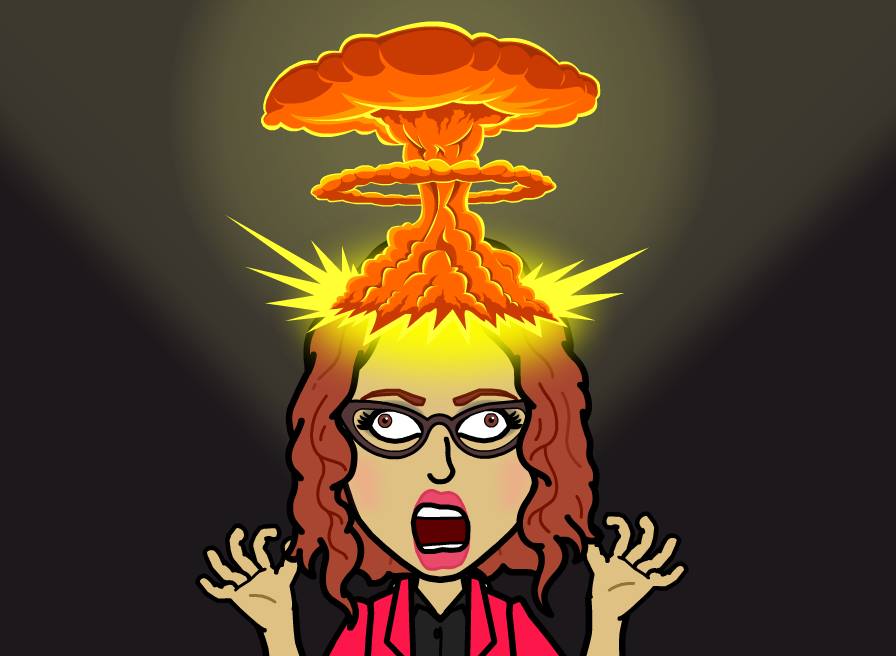
Surprise, surprise. Amy is a psycho. She is a lying, scheming, evil genius sociopath. Prior to this knowledge, you probably thought you had this book all figured out. You most definitely had your theoretical suspect, and for the vast majority of you it was probably Nick. I bet you thought "oh poor Amy" and "she seems like such a sweet girl, annoying, yes, but sweet!" Well guess what? These thoughts are WRONG. The phrase "poor Amy" should be illegal, and using the word "sweet" to describe her is nothing but comical. After reading the first chapter of Part 2, that was it for me. My brain could not handle state of shock that Gillian Flynn managed to put me in. It exploded. "Surprised" is an understatement. This ripped everything apart that I thought I knew, because I realized I really didn't know anything at all. The simultaneous awe and horror I experienced can be compared to that of the moment I realized that Blue from "Blue's Clues" was a girl. My life fell apart, and nothing was ever the same. Then, all too soon, the next bomb dropped: "diary Amy" was a fake. My life was in ruins and my brain had disintegrated to ash. It was just too much. The pure genius and unexpectedness of it unhinged my sanity completely, so I did the only thing I knew how to in such a situation: I kept reading. 

Thursday, November 13, 2014

"Blank Space" by Taylor Swift: Innocent Satire or "Gone Girl" Gone Pop Song?

T-Swift's new song and even newer music video, "Blank Space" has been sweeping the charts, and not just because it's another one of her (infamous?) break-up songs. No, "Blank Space" has hit number 13 this week on Billboard's Top 100 list, because it has somehow managed to appeal to the ever-expanding noir fan base. It appears that music has now found a way to imitate the movie industry, where dark, romantically twisted, sociopathic, mystery thrillers are the latest fad. Taylor Swift has turned this recurrent theme into a song, and is blazing the trail for a new genre of music: Pop Noir.

The real question, however, is whether or not this was intentional. Was it really just an innocent mockery of the outside perceptions of Taylor Swift? Was it a harsh joke about women today? Or was it an (extremely accurate) emulation of Gone Girl? In other words, was it a satire of today's society, or Gone Girl with a catchy tune?

"You look like my next mistake" 

"Love's a game, wanna play?" 

"Ain't it funny, rumors fly, And I know you heard about me" (definite "Amazing Amy" reference) 


The boys are cheaters!!!!!

"Stolen kisses, pretty lies" 

"Be that girl for a month, Wait the worst is yet to come, oh no" (Cool Girl to Crazy reference) 

"'Oh my God, who is she?'" (Andie!!) 


"Screaming, crying, perfect storms, I can make all the tables turn" (by making it look like you murdered me) 

"Got a long list of ex-lovers, they'll tell you I'm insane" (Desi Collings perhaps?!) 


To the left is Amy's "you'll pay for this in a horrible, extreme, and well-planned way because (surprise!) I'm crazy" face

To the right is Taylor Swift's crazy face, and then she murders him. 

"Boys only want love if it's torture, Don't say I didn't, say I didn't warn ya" 

"'Cause, darling, I'm a nightmare dressed like a daydream" 


DEFINITELY Gone Girl with a tune. 

But I've got a blank space baby.....


Wednesday, November 5, 2014

GONE GIRL Gone Noir?

Gone Girl by Gillian Flynn is indeed a unique and complex blend of Suburban, Domestic, and Chic Noir. The evidence is overwhelming.


CLUE 1

Suburban Noirs contain fictional towns that seem very safe and welcoming to the outside world, icy relationships and secrets lay just within the town limits.

This perfectly describes the small town of Carthage, Missouri in Gone Girl, which at first glance appears to be the average run-down midwestern town, but actually holds an array of deadly secrets.

CLUE 2

Domestic Noirs focus on the corruption in domestic relationships from the very second they were forged. Marriage is labeled as the place of cultivation for deception and darkness close to home.

From the very start of the relationship, as well as the start of the book, something is off about the relationship between Amy and Nick. The central issues of the story seem to revolve around their marital disputes, which is also what paints Nick as a prime suspect for Amy's disappearance.

CLUE 3

Chic Noirs are pretty much more feminist version of a noir. Aimed towards female readers, they strive to nitpick the flaws of the "deranged" husband or boyfriend, therefore always labeling the male character as the bad guy.

I would consider Gone Girl to be half Chic Noir because of the alternating perspectives between Nick and Amy. During Amy's narration, Nick is often depicted as the bad guy, and many of his flaws are exploited and condemned, which is something that would not have happened were Nick to be the only narrator.


Alright detectives, you have the clues. It is now up to you to solve the mystery of the noir. Best of luck.


Monday, October 27, 2014

"A Visit From the Goon Squad" Character Map


A Visit From the Goon Squad is a web. It is a fictitious, yet startlingly realistic quilt of life. This quilt consists not only of characters, but of themes, such as the passing of time, nostalgia, music, and a never-ending cycle of connections. The way in which Jennifer Egan has woven these things together is both beautiful and perplexing, and the character map I present to you is but a brief glimpse into the key components of her masterpiece. It has been a true pleasure to indulge in the bitter-sweet tales in A Visit From the Goon Squad, by Jennifer Egan. 

Monday, October 20, 2014

Ah, the power of the pause. The earth-shaking energy compacted into the seemingly simple lull of a tune. But is there more to a pause then this? Of course there is. As demonstrated in chapter 12, "Great Rock and Roll Pauses" in A Visit From the Goon Squad by Jennifer Egan, pauses contain a tremendous, and practically unparalleled power. The character of Sasha Blake sums it up perfectly: "The pause makes you think the song will end. And then the song isn't really over, so you're relieved. But then the song does actually end, because every song ends...". What she's telling us is that the pause is preparing us for the inevitable. The pauses allows us to brace ourselves for the end, while providing temporary relief because it hasn't happened yet. The pause is where we wait with baited breath to see if things continue, where our nails dig into our palms hoping that more will follow. Yes, this may all seem a bit melodramatic, so in simpler terms, the pause is where everything happens. It's where all the suspense is; it's the most important moment. After doing some of my own investigating of song pauses in modern music, I've compiled a list of them and the significances of their pauses:


  1. "Shake it Off" by Taylor Swift- (Pause: 2:43-2:45) This is a power song about not letting what others say or do to you bring you down, and so when she's saying "shake, shake shake" followed by a pause, the pause is signifying the breather you need to give yourself before pulling yourself back up with full force and just continuing to live your own life
  2. "Skinny Love" by Birdy- (Pause: 2:39-2:41) This song is about being in love and longing for it, and then being devastated from heartbreak. There are many pauses in this song, but the one indicated is one of the most powerful. Each pause represents those moments where you feel like you just can't carry on any longer and need to stop. The pauses represent grief. 
  3. "Story of My Life" by One Direction- (Pause: 2:24-2:27) This song is about the importance of memories, so the pause in this song is meant as a brief moment to simply stop and cherish the memories you have. 

Monday, October 13, 2014

You are sitting on a rock, looking at the destruction around you. You didn't mean for this to happen, you really didn't. You just wanted to be like other kids. You just wanted to have fun. But you should have known, you were never like other kids.

***
You were born into a poor family. No brothers or sisters, just you. But you're okay with that. You love your mom and your dad, so much. You love your town, and your home, and your life, but somehow you've always been different. You don't mean to sound conceited when you say that you're a lot stronger and faster than the other boys your age, but you are. You used to be proud of it, but now you try to hide it. You don't want to admit it to yourself, but when you look into your parents' eyes, you don't see yourself. You see love and kindness, but foreign features. You don't belong. But then you decide. You decide that you must leave. You must go on a journey to find yourself. You will go any distance, because know that every mile will be worth the while to find where you belong. But little do you know that you will find much more than just where you came from. You will find love, triumph, happiness, and the hero within that you have yet to know exists.